What to Do When You Are Locked Out: A Practical Checklist for Home and Business Owners
Being locked out of your home or business is rarely convenient. It usually happens at the worst possible moment, late at night, during a busy workday, or when the weather is turning against you. While the immediate reaction is often frustration or panic, a calm, methodical approach can save you time, money, and unnecessary stress. This checklist walks you through the essential steps to take when you find yourself on the wrong side of a locked door, whether you are a homeowner or a business owner. The focus is on practical actions that protect your property and help you get back inside safely.
Stay Calm and Assess the Situation
The first thing to do is pause. Take a breath. Rushing leads to mistakes, such as breaking a window or damaging the door frame in a way that costs far more than a professional service. Check every accessible door and window. Sometimes a back door has been left unlocked, or a side gate is open. Look for a spare key you might keep with a neighbour, a trusted colleague, or in a secure key safe. If you are at a business, check with other staff who might have a key or know the code. If it is a shared building, the building manager or security desk might hold a spare. Only after you have exhausted these simple checks should you consider calling for help.
Verify Your Identity and Proof of Address
Before any professional can help you, they need to confirm you have a right to access the property. This is a standard security measure to prevent unauthorised entry. For a home, have your driving licence, passport, or a recent utility bill ready. For a business, you might need a company ID, a business rate bill, or a letter from the landlord. A reputable service will ask for this before they start work. Having it ready speeds up the process and avoids delays. It also protects you: a legitimate provider will not open a door for just anyone.
Understand the Type of Lock and the Problem
Not all lockouts are the same. Knowing the basic type of lock you have can help the locksmith arrive with the right tools and knowledge. Common domestic locks include Euro cylinders, which are the standard on many UPVC doors. A Euro cylinder can often be replaced without damaging the door if the key is snapped or the mechanism fails. Commercial locks, such as mortice deadlocks or multi-point locking systems, are more complex and may require a different approach. If the key is broken in the lock, or the latch is stuck because the door has swollen in damp weather, describe the issue accurately. This saves time and avoids unnecessary call-out charges for parts that are not needed.

Check for Access Damage Risks
Some methods of gaining entry can cause damage. For instance, if the door is made of a hollow material, drilling the lock or forcing the latch might leave a hole that requires a carpenter to repair. Similarly, if the lock is a high-security model with drill protection, the locksmith may need to use specialist tools to bypass it without wrecking the door. Ask the professional about the approach they plan to take. A good service will explain the likely outcome and let you decide. If you are worried about cosmetic damage, mention it upfront. In many cases, a non-destructive entry is possible, particularly with modern tools that can manipulate the locking mechanism from the outside without drilling.
Know When to Call a Professional
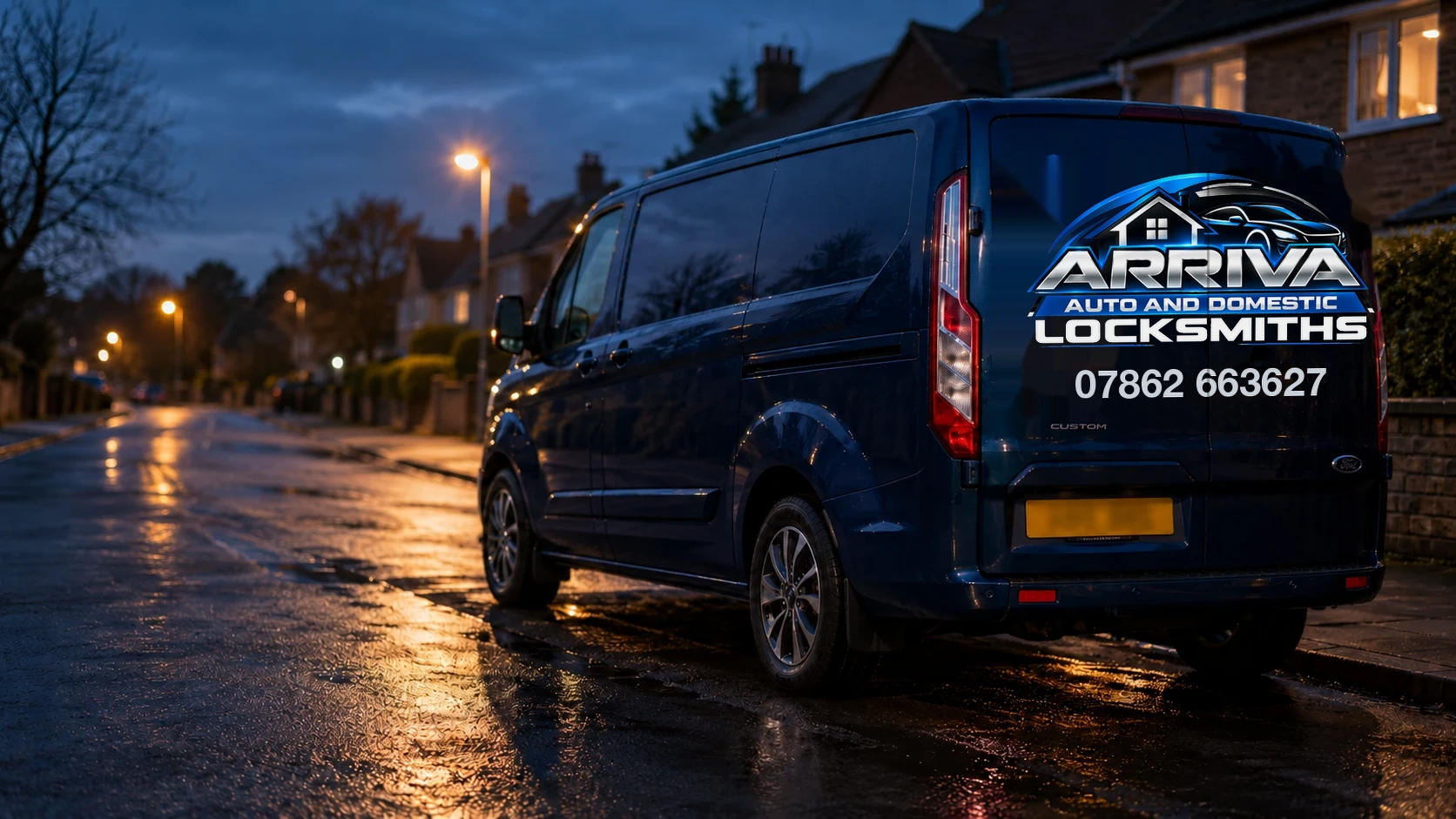
If you have checked all doors and windows, have no spare key, and cannot find another way in, it is time to call a locksmith. For emergencies, you want a service that offers rapid response. The site context for this article mentions that Arriva Locksmiths provides 24 hour emergency, domestic, commercial, automotive locksmith and glazing services in Cannock and within 25 miles. That kind of availability is important because lockouts do not follow business hours. When you call, give a clear description of your location, the type of lock, and whether there are any special circumstances, such as a child or pet inside, or a security alarm that needs to be disabled. A reputable professional will ask for proof of address and identity before attending, as mentioned above.
What to Expect from a Locksmith Visit
When the locksmith arrives, they will first confirm your identity and proof of address. Then they will inspect the lock and the door. For a simple key lockout where the key is inside, they may use lock picking tools to manipulate the pins and turn the cylinder. This is often quick and leaves no damage. If the key is broken, they might extract the broken piece using a tool designed for that, or they may replace the entire Euro cylinder. For a jammed latch, they might lubricate the mechanism or adjust the strike plate. In rare cases where the door is warped or the frame is damaged, they may need to remove the lock entirely and fit a new one. Throughout the process, they should explain what they are doing and why, so you are not left guessing.
After You Are Back Inside
Once the door is open, take a moment to consider whether the lock needs replacing or upgrading. A lock that has been forced, drilled, or picked may no longer be secure. If the key was lost or stolen, changing the lock is wise. For businesses, this is especially important because a lost key could mean unauthorised access later. Many locksmiths carry replacement cylinders and locks in their van, so they can do the swap immediately. Also, think about prevention: a spare key with a trusted neighbour, a key safe with a code, or a smart lock that can be opened remotely might save you from a repeat situation. For businesses, consider a master key system or a key register so that lost keys can be deactivated quickly.
When to Avoid DIY Fixes
It can be tempting to try to open the door yourself, especially if you have seen online videos. However, amateur attempts often make things worse. Forcing the lock can snap the key, damage the cylinder, or bend the door latch, turning a simple lockout into a costly repair. Using tools like screwdrivers or pliers on a modern lock can scratch the door surface and void warranties. If you have a security door with multiple locking points, trying to force one point can misalign the whole system, making it impossible to open even with a key. The safest approach is to leave the lock manipulation to someone who does it daily. A professional will have the right tools, such as tension wrenches and picks for standard pin tumbler locks, or specialist tools for high-security cylinders with drill protection.
Emergency Numbers and Information to Keep Handy
A small piece of preparation can make a big difference. Keep a list of emergency contacts somewhere accessible, in your wallet, on your phone, or pinned inside a kitchen cupboard. Include the number of a reliable locksmith, your property manager (if applicable), and your insurance company. Some home and business insurance policies cover lockout assistance or reimburse the cost of a locksmith call-out. Check your policy so you know what is covered. Also, note your lock type and any key numbers if you have them. This information helps the locksmith bring the correct parts. For businesses, have a procedure in place: who to call, who can authorise entry, and where the spare keys are stored. A quick reference card kept in a secure but known location can save precious minutes.
Keep Your Property Secure After Entry
Once you are back inside, check that the lock still works properly. If it was forced or picked, it may be compromised. Test the key turns smoothly, the latch engages fully, and the door closes without sticking. If you notice anything unusual, arrange for a replacement as soon as possible. For a business, consider updating the access control system or rekeying the locks if a key has been lost. A temporary fix, such as a padlock on a hasp, is better than leaving the door insecure, but it is not a long-term solution. A proper repair by a qualified locksmith restores the security of your property.
Final Practical Tips
Keep a spare key with someone you trust who lives nearby. If that is not possible, consider a key safe that attaches to a solid part of the building. For businesses, restrict the number of keys and keep a log of who has them. If someone leaves the company, rekey or change the locks. Regularly check the condition of your locks: a stiff key, a loose handle, or a latch that does not click cleanly are signs that maintenance is needed. A small problem now can become a lockout later. And always verify the identity of any locksmith who arrives at your door. A professional from arrivalocksmiths.co.uk, for example, will carry identification and ask for your proof of address before starting work. That is a sign of a trustworthy service.

Being locked out is frustrating, but it does not have to be a disaster. By staying calm, checking your options, calling a reputable professional, and taking a few steps to prepare for the future, you can handle the situation smoothly and keep your property safe.